MOUZ Departs VALORANT After Four Years, Citing VCT Structure Misalignment

German esports organisation MOUZ has officially ended its involvement in VALORANT, concluding a four-year presence in Riot Games’ competitive scene. The announcement came via a statement posted on the team’s social media on December 18, 2025.
An update on our future in VALORANT. pic.twitter.com/GGTtGX6RyL
— MOUZ (@mousesports) December 18, 2025
In the statement, MOUZ explained: “We have decided to not continue with VALORANT. The current VCT format does not align with our ambition as a team, and we do not see a place for us in the current ecosystem.”
The organisation expressed gratitude to its partners, players, and coaching staff for their contributions over the years.
MOUZ’s Journey in VALORANT
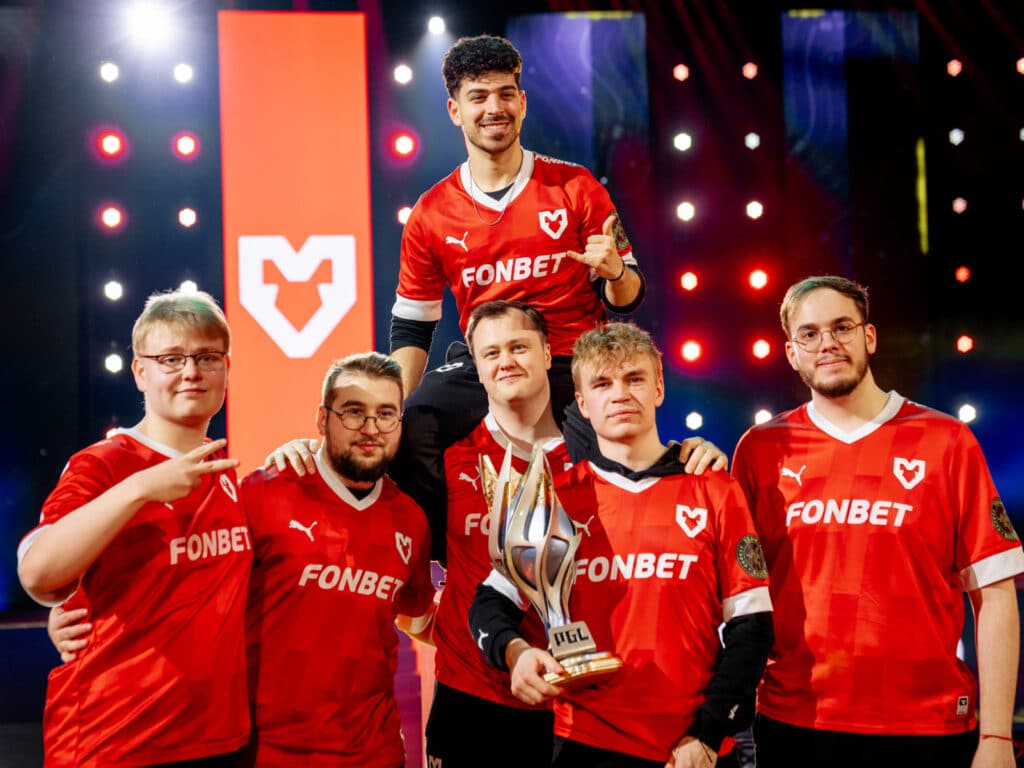
MOUZ joined the VALORANT esports scene in 2022, primarily competing in the tier-two DACH (Germany, Austria, Switzerland) Challengers circuit within EMEA. The team established itself as a strong regional contender, with highlights including:
- Winning VALORANT Challengers 2024 DACH: Evolution Split 2.
- Qualifying for VCT Ascension EMEA 2024, where they finished 5th-6th, narrowly missing promotion to the top tier partnered league.
These achievements underscored the team’s potential but also illustrated the challenges of the single promotion slot Ascension system, where one unsuccessful tournament can derail a full year’s efforts.
Broader Concerns in VALORANT’s Tier-Two Ecosystem
MOUZ’s exit highlights ongoing issues in VALORANT’s tier-two scene. Non partnered teams face limited competitive opportunities, smaller prize pools, and high financial risks without guaranteed revenue sharing or long term stability. Only one team per region ascends annually via Ascension, making sustained investment precarious for many organizations.
This departure joins a trend of teams and players questioning the model’s sustainability. Earlier concerns from the VALORANT Players Association pointed to low ROI and shrinking calendars as threats to tier-two viability.
In response, Riot Games has introduced measures like allowing betting sponsorships in EMEA and North America, with portions of revenue earmarked for tier-two improvements, including larger prize pools and development programs. Additionally, the recently announced 2026 EMEA structure includes new events like the VALORANT EMEA Clash and expanded qualification paths to international stages.
However, MOUZ’s decision indicates that these changes have not yet convinced all organizations of a viable future outside the partnered leagues.
What’s Next for MOUZ
With no plans for an immediate return to VALORANT, MOUZ is shifting focus to its other competitive titles, including its prominent Counter-Strike division. The organization had gradually released its 2025 VALORANT roster in late 2025, signaling the wind-down of operations.
This move represents a setback for the DACH regional scene but reflects a strategic realignment for one of Europe’s established esports brands.

Since: October 29, 2025